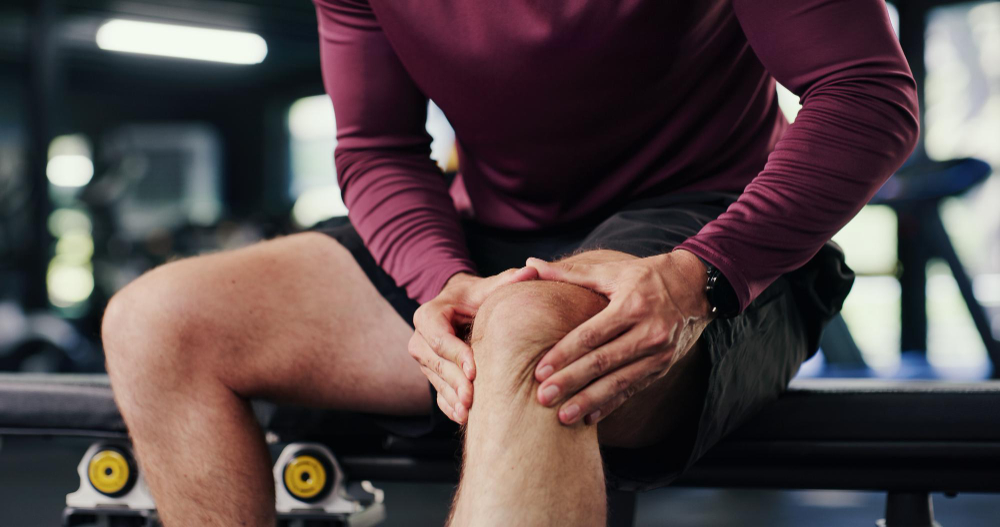
What is a Meniscus Injury?
The meniscus is a small, C-shaped piece of cartilage in your knee. It acts as a cushion between your thigh bone and shin bone. A meniscus injury happens when this cartilage tears. In the gym, sudden twists, heavy squats, or quick turns can cause this injury. Many people do not notice the problem right away. However, early signs can help you spot a meniscus injury before it gets worse. Recognizing these early symptoms of meniscus tear in gym settings is important for quick recovery.
Why Are Gym-Goers at Risk?
Many gym exercises put stress on the knees. For example, squats, lunges, and jumping can strain the meniscus. Sometimes, lifting heavy weights or using poor form increases the risk. In addition, sudden movements or not warming up can make injuries more likely. Gym-goers often push themselves hard, which can lead to knee pain after workout. Because of these factors, people who exercise regularly should know how to spot meniscus injury early.
Early Signs of Meniscus Injury in the Gym
Spotting a meniscus injury early can prevent long-term problems. Look out for these warning signs:
Even if the pain is mild, these early symptoms of meniscus tear in gym settings should not be ignored. Early detection helps you get the right treatment.
When to Seek Medical Attention
If you notice any of the signs above, it is best to rest your knee. However, you should see a doctor if:
According to the CDC and orthopedic experts, early treatment can prevent further damage. If you search for “meniscus injury treatment near me,” you can find local specialists who can help.
Tips to Prevent Meniscus Injuries During Workouts
Preventing a meniscus injury is easier than treating one. Here are some tips to keep your knees safe:
In addition, taking breaks and allowing your body to recover can lower your risk. The World Health Organization recommends regular exercise but also stresses the importance of injury prevention.
Conclusion
Meniscus injuries can happen to anyone, especially in the gym. However, knowing the early signs can help you act fast. If you notice any early signs of a meniscus injury, consult an orthopedic specialist for personalized advice.