Introduction
PRP in orthopedic care is gaining attention as a safe and natural treatment. PRP stands for Platelet-Rich Plasma. Doctors use it to help heal joint pain and injuries. Many people now choose PRP therapy for joints, especially for knee pain and tendon problems. Because it uses your own blood, PRP is seen as a gentle option. As more research supports its use, PRP is becoming a key part of orthopedic PRP treatment plans.
What is PRP in Orthopedic Care?
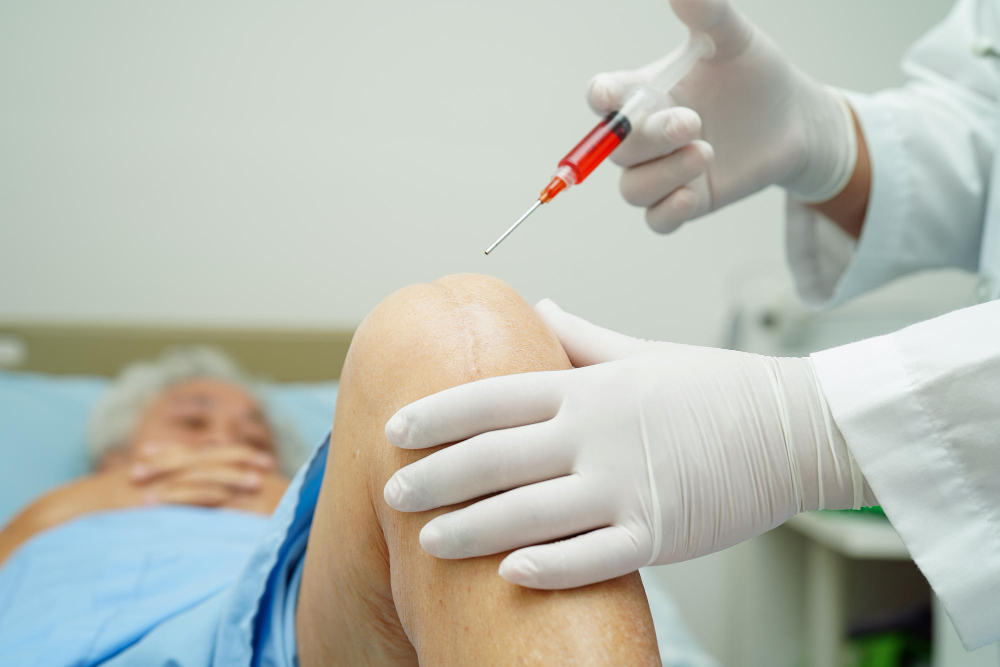
PRP, or Platelet-Rich Plasma, is made from your own blood. First, a small amount of blood is drawn from your arm. Then, the blood is spun in a machine called a centrifuge. This process separates the platelets from other blood parts. Platelets are tiny cells that help your body heal. In orthopedic care, doctors inject this concentrated plasma into the injured area. This helps speed up healing and reduce pain. PRP therapy for joints and soft tissues is common in many clinics.
Common Orthopedic Conditions Treated with PRP
Doctors use PRP to treat many bone and joint problems. Some common conditions include:
Because PRP uses your own blood, it is less likely to cause allergic reactions. Many people choose orthopedic PRP treatment for these reasons.
How PRP Treatment Works
The PRP procedure is simple and quick. Here are the main steps:
During the procedure, you may feel a pinch or mild discomfort. Most people can go home soon after. After the injection, you might notice some swelling or soreness. However, these effects usually go away within a few days. Your doctor may suggest rest and gentle movement to help healing.
Benefits of PRP in Orthopedic Care
Because PRP is safe and easy, many people prefer it over other treatments.
Risks and Considerations
Although PRP is safe for most people, there are some risks. You may have mild pain, swelling, or bruising at the injection site. Rarely, infection or nerve injury can occur. PRP may not work for everyone. For example, people with blood disorders, cancer, or infections should avoid PRP. Always tell your doctor about your health history before starting PRP therapy for joints or other areas.
Recovery and Aftercare
After PRP treatment, you should rest the treated area for a day or two. However, light movement is often encouraged. Your doctor may suggest:
Most people return to normal activities within a week. Full healing may take several weeks, depending on the injury. Because every person heals differently, your doctor will guide you on the best recovery plan.
Frequently Asked Questions about PRP
Conclusion
PRP in orthopedic care offers a safe and natural way to treat joint pain and injuries. Because it uses your own blood, the risk of side effects is low. PRP therapy for joints, such as platelet-rich plasma for knee pain, is helping many people recover faster. If you want to know if orthopedic PRP treatment is right for you, consult an orthopedic specialist to find out if PRP is right for you.