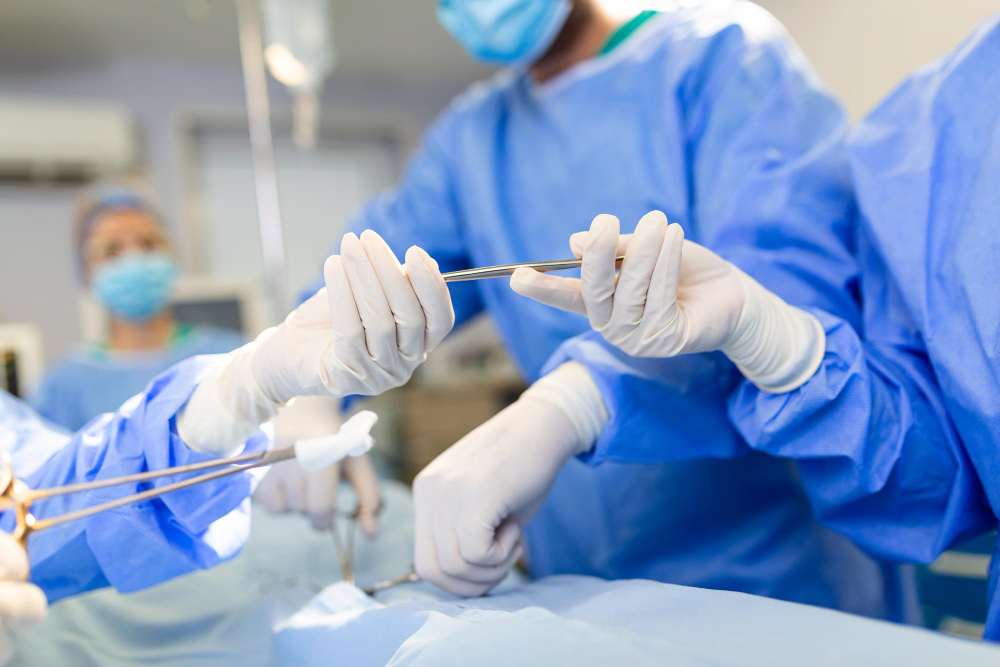
Introduction to ACL Surgery
The anterior cruciate ligament, or ACL, is a strong band inside your knee. It helps keep your knee stable. However, sports injuries or accidents can tear the ACL. When this happens, doctors may suggest ACL surgery. This surgery repairs or replaces the torn ligament. Many people choose ACL surgery to return to their normal activities. In fact, ACL surgery is a common treatment for knee injuries.
Symptoms and Diagnosis Leading to ACL Surgery
Often, people feel a pop in their knee when the ACL tears. Afterward, the knee may swell quickly. You might also feel pain or notice your knee giving way. Sometimes, it becomes hard to walk or bend the knee. Because these symptoms can be serious, doctors use tests to check for ACL injuries. For example, they may use physical exams, X-rays, or MRI scans. These tests help confirm if you need ACL surgery or another treatment.
Overview of the ACL Surgery Procedure
During ACL surgery, doctors usually use small cuts and a camera. This is called arthroscopic surgery. First, the surgeon removes the torn ligament. Then, they replace it with a new tissue, called a graft. The graft may come from your own body or a donor. Most ACL surgeries take about one to two hours. Because it is often done as an outpatient procedure, you can go home the same day.
Recovery Process and Timeline
After ACL surgery, recovery takes time. At first, you may need crutches to walk. Swelling and pain are common, but they improve with rest and ice. Physical therapy starts soon after surgery. This helps you regain strength and movement. Most people can return to light activities in three to six months. However, full recovery may take up to a year. Each person heals at their own pace, so timelines can vary.
Tips for Successful Rehabilitation
Prevention of Future ACL Injuries
Even after ACL surgery, you can take steps to protect your knee. For example, always warm up before exercise. In addition, work on strengthening your leg muscles. Balance and agility exercises can also help. Wearing proper shoes and using safe sports techniques lower your risk. If you play sports, consider using a knee brace for extra support. These habits can help prevent another ACL injury.
Risks and Possible Complications
Like any surgery, ACL surgery has some risks. However, most people recover well. Possible problems include infection, blood clots, or knee stiffness. Sometimes, the new ligament may not heal as expected. Rarely, another injury can happen. If you notice severe pain, fever, or swelling, contact your doctor right away. Early treatment can prevent bigger problems.
When to Consult an Orthopedic Surgeon
If you have knee pain, swelling, or your knee feels unstable, see a doctor. Especially if you heard a pop or cannot walk, seek help soon. An orthopedic surgeon can check your knee and suggest the best treatment. Early care can improve your chances of a full recovery.
Conclusion
ACL surgery helps many people return to their normal lives. With proper care and rehab, you can heal well. However, every person’s journey is different. For the best advice on ACL surgery and recovery, consult an orthopedic specialist.